Unraveling the Essence of Indian Food: An Overview to Iconic Famous Indian Food
Indian food is a complicated mosaic, defined by its abundant flavors and varied regional flavors. Each recipe mirrors an unique social heritage, mixing farming practices with culinary art. From the creamy sauces of the North to the rice-based specializeds of the South, the selection is amazing. This expedition will certainly disclose famous dishes and the tales behind them, as well as the considerable function of street food in India's gastronomic landscape. What secrets exist within this culinary tradition?
The Abundant Tapestry of Indian Spices
While lots of cuisines depend on a minimal variety of flavors, Indian cuisine is distinguished by its comprehensive and varied range of seasonings. This abundant tapestry of flavors includes staples such as cumin, cardamom, turmeric, and coriander, each adding special qualities to dishes. Cumin supplies a warm, earthy taste, while coriander adds a tip of citrus. Cardamom, typically described as the "queen of flavors," gives a wonderful, aromatic high quality, and turmeric extract supplies a lively golden tone along with its health benefits.
Flavors are not simply seasonings in Indian cooking; they are important to the cooking philosophy, representing balance and consistency. The art of blending seasonings, called masala, varies from region to region, showcasing the culinary knowledge passed down via generations. This intricate use of spices not only improves taste but also reflects India's cultural heritage, making each recipe a sensory experience that narrates of its origin.
Regional Variations: Exploring the Diversity of Indian Dishes
North vs. South Cuisine
Both North and South Indian foods share an abundant heritage, they supply unique flavors, active ingredients, and cooking strategies that show their diverse regional impacts. North Indian food is identified by its use milk items, such as paneer and ghee, and includes meals like butter hen and naan. The cuisine typically includes rich gravies and aromatic flavors, satisfying a scheme seeking convenience and warmth. On the other hand, South Indian cuisine emphasizes rice, lentils, and fresh veggies, resulting in lighter, zesty meals like dosa and sambar. Coconut and curry fallen leaves are prevalent, adding to its unique preference profile. This local aberration highlights the culinary breadth of India, showcasing just how geography and culture shape food customs throughout the country.
Components and seasonings Variety
The dynamic tapestry of Indian food is woven together by an exceptional array of flavors and active ingredients, each adding to the nation's cooking diversity. From the fiery chilies of the south to the fragrant cardamom of the north, these elements differ regionally, mirroring regional farming and environment. Coastal areas use fresh fish and shellfish and coconut, while dry areas favor grains and lentils. The usage of spices like cumin, coriander, and turmeric is common, yet each area has its unique blend, such as garam masala or panch phoron. In addition, local herbs and vegetables additionally improve recipes, showcasing seasonal schedule. This elaborate interplay of appearances and tastes is what makes Indian food both varied and deeply rooted in tradition.
Iconic Dishes: From Biryani to Butter Poultry
Rich in practices and tastes, legendary dishes such as biryani and butter poultry exemplify the diverse culinary landscape of the Indian subcontinent. Biryani, a great smelling rice meal layered with seasoned meat, showcases local variants, from the spicy Hyderabadi to the savory Lucknowi. Each variation mirrors local flavors, cooking methods, and cultural impacts, making biryani a beloved dish across India.
Butter poultry, or murgh makhani, stems from Delhi and features tender hen pieces simmered in a velvety tomato sauce improved with spices and butter. This recipe highlights the combination of tastes, integrating elements from Mughlai cuisine with typical Indian cooking. Both dishes not only please the taste but likewise tell tales of India's abundant background and the blending of cultural influences. Together, they stand as presentations of the creativity and complexity of Indian cuisine, welcoming food fanatics to discover their distinct tastes and preparations.
The Art of Indian Street Food
Indian road food represents a vibrant tapestry of appearances and flavors, bewitching locals and vacationers alike. This culinary art form flourishes in busy markets, where suppliers masterfully prepare fast, cost effective, and tasty dishes. From the spicy and tangy pani puri to the savory chaat, each meal supplies an unique taste experience, typically come with by a symphony of aromatic spices.
Road food is not merely concerning nourishment; it embodies the significance of social communication and cultural exchange. People gather around food stalls, sharing browse around this site tales and giggling, creating a feeling of community. Regional variations include further deepness, with each location boasting its specializeds, such as vada pav in Mumbai or kathi rolls in Kolkata.
The preparation techniques, often passed down with generations, show a mix of practice and advancement. This vibrant road food scene shows the rich cooking heritage of India, making it an indispensable component of the nation's identification.
Standard Food Preparation Strategies and Their Relevance
Typical food preparation strategies in Indian cuisine mirror the varied regional methods and the social value of cooking. These approaches not only enhance the tastes and things to eat near me textures of active ingredients but additionally personify routines that link people to their heritage. Recognizing these strategies illuminates the indispensable function they play in keeping authenticity and preserving cooking customs.
Regional Food Preparation Techniques
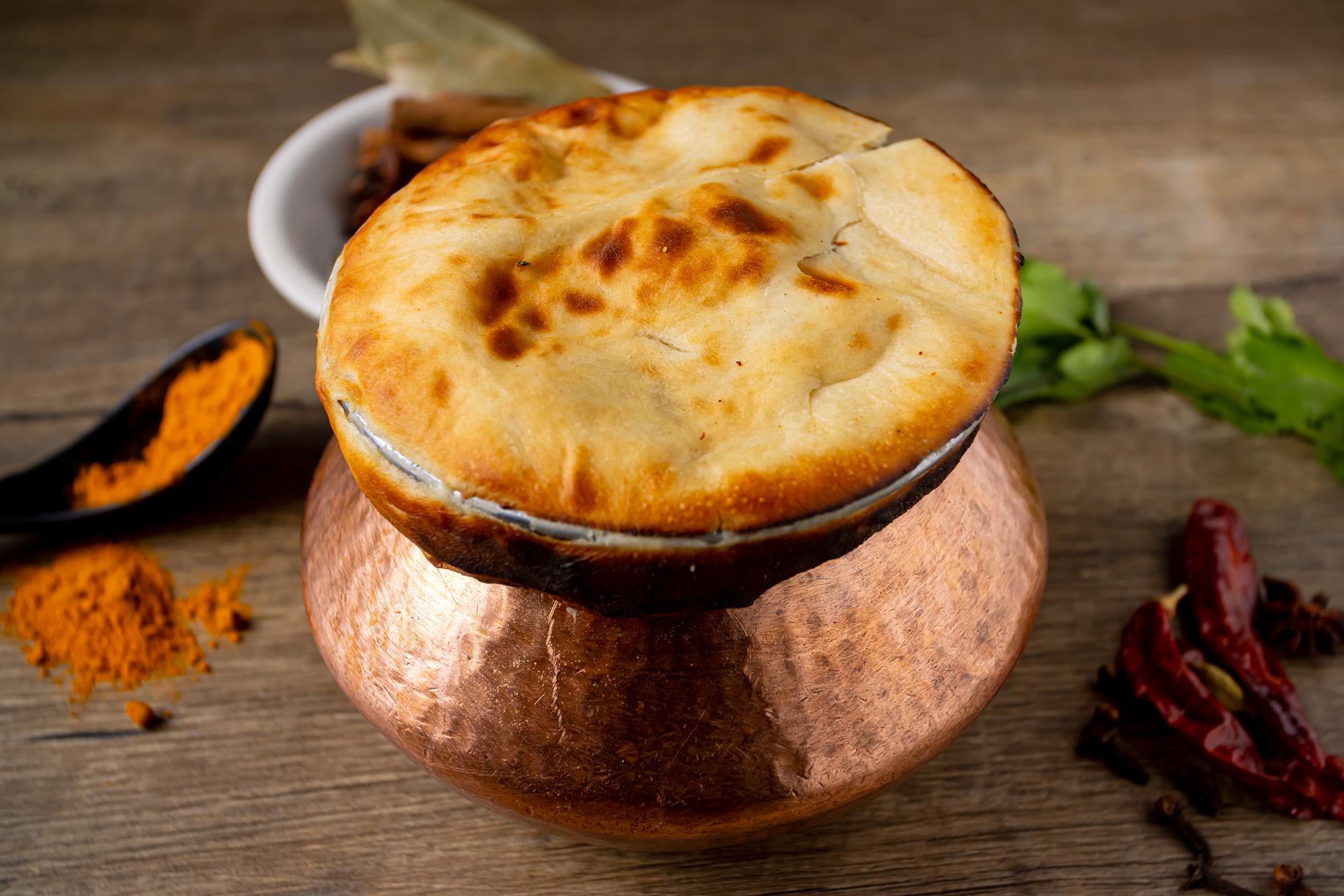
While exploring the diverse landscape of food preparation approaches, one can reveal a tapestry of regional methods that mirror the social heritage and local resources of various locations. Each region in India showcases distinct techniques, such as making use of clay pots in rural neighborhoods, which enhance flavor via sluggish cooking. The tandoor approach, prevalent in the north, imparts a distinct smokiness to meats and breads, while steaming is preferred in seaside regions, maintaining the freshness of seafood and vegetables. In the south, tempering flavors in warm oil is a crucial action, launching important oils and scents. These techniques not only create unique culinary identities however likewise attach communities to their historic and ecological contexts, highlighting the importance of tradition in Indian food.
Active Ingredient Preparation Routines
In numerous kitchens across India, active ingredient prep work rituals play a crucial role in shaping the culinary experience. These routines encompass different strategies, such as soaking lentils, grinding seasonings, and chopping vegetables, which improve appearances and tastes. Each step is typically steeped in custom, reflecting local choices and seasonal availability (JAIPORE Xpress). As an example, the precise grinding of seasonings in a stone mortar, referred to as 'sil batta', not only preserves important oils but also connects cooks to their heritage. Additionally, the act of preparing ingredients is usually a public affair, cultivating family members bonds and shared cultural worths. Ultimately, these routines are not merely More Info functional but offer to honor the food, boosting the cooking procedure into an art type that celebrates India's abundant cooking heritage
The International Influence of Indian Food
As Indian cuisine continues to obtain popularity worldwide, its abundant tastes and diverse components have made a significant impact on worldwide cooking practices. The intro of flavors such as cumin, coriander, and turmeric has not only enhanced the taste of numerous recipes but additionally added to the health awareness among food enthusiasts.
Restaurants including Indian-inspired food selections have actually emerged in numerous nations, mixing typical recipes with neighborhood components to develop ingenious combination recipes. Additionally, the rise of vegetarianism and veganism has even more pushed Indian cuisine into the spotlight, as lots of conventional Indian recipes are naturally plant-based.
Cooking events celebrating Indian food are now commonplace, permitting cooks and home chefs alike to discover its complexity. The international impact of Indian cuisine is evident in the adjustment of its methods and flavors, promoting cross-cultural culinary exchanges and improving the international food landscape.
Frequently Asked Inquiries
What Are the Health Benefits of Indian Spices?
Indian seasonings provide various health advantages, including anti-inflammatory buildings, improved digestion, enhanced immunity, and possible cancer-fighting results. Their rich anti-oxidants add to total wellness, advertising heart health and wellness and helping in weight administration.
Exactly How Can I Make Indian Food in your home?
To make Indian food at home, one ought to collect crucial flavors, fresh active ingredients, and follow traditional recipes. Exploring with strategies and flavors can improve the cooking experience, generating authentic and scrumptious dishes.
Exist Vegetarian Options in Indian Food?

What Is the Background Behind Indian Cuisine?
Indian cuisine's background spans countless years, affected by local components, social exchanges, and emigration. Its evolution reflects varied traditions and practices, leading to an abundant tapestry of tastes and cooking methods across the subcontinent.
Exactly how Do I Combine Indian Food With Beverages?
To combine Indian food with drinks, one should consider the dish's seasoning degree and taste profile, typically enhancing it with lassi, chai, or local glass of wines, boosting the general dining experience with balanced preferences. - takeout and delivery
Indian cuisine is a complicated mosaic, characterized by its rich seasonings and varied regional flavors. While numerous cuisines count on a minimal variety of flavors, Indian food is identified by its varied and comprehensive range of spices. Both South and north Indian cuisines share an abundant heritage, they use unique tastes, active ingredients, and food preparation techniques that reflect their varied regional influences. The vibrant tapestry of Indian food is woven with each other by an amazing array of active ingredients and flavors, each contributing to the nation's cooking diversity. As Indian food continues to obtain popularity worldwide, its abundant flavors and diverse active ingredients have made a significant effect on international culinary techniques.